Deepak Kinger, Chief Strategy Officer and Co-founder of EvoluteIQ – Interview Series
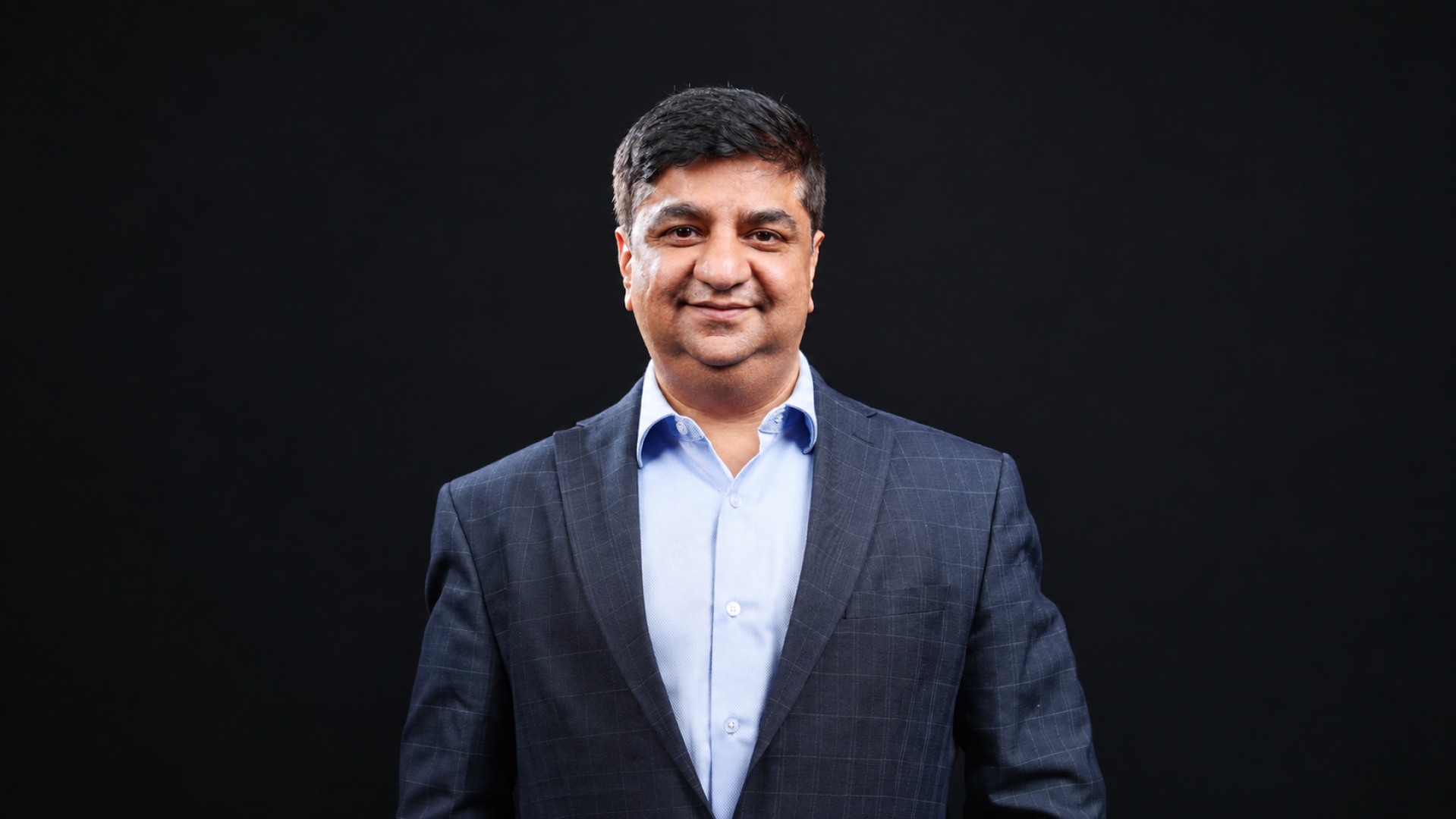
Deepak Kinger, Chief Strategy Officer and Co-founder of EvoluteIQ, is an experienced technology and business leader with more than two decades of experience spanning enterprise transformation, financial services, automation, and artificial intelligence. At EvoluteIQ, he helps shape the company’s overall strategy while leading key technology alliances, solution partnerships, marketing, and analyst relationships. Before co-founding EvoluteIQ in 2019, Kinger held senior leadership roles at GALE Partners, Virtusa, Sapient, Headstrong, Wipro, and Mphasis, where his responsibilities ranged from managing financial services businesses across Asia-Pacific and advising C-suite executives on digital transformation to building new business lines and leading large-scale technology engagements. His experience spans strategy, business development, client relationship management, P&L management, operations, and emerging technologies including AI, machine learning, robotic process automation, blockchain, and data science.
EvoluteIQ is an enterprise AI and intelligent automation company focused on helping organizations automate and orchestrate complex, end-to-end business processes. Its EIQ Platform brings together agentic AI, generative AI, process and decision automation, intelligent RPA, event processing, data fabric, analytics, enterprise connectors, and multichannel application development within a low-code/no-code environment. The platform is designed to enable enterprises to connect existing systems, build and deploy AI agents and automated workflows, monitor outcomes, and scale automation across areas such as customer experience, finance, operations, sales, and supply chain management. Founded in 2019, EvoluteIQ has expanded its focus toward agentic enterprise automation through technologies including its AI Workbench and Agentic Mesh Architecture, and in 2025 announced a $53 million minority growth investment led by Baird Capital to support global expansion and further investment in its Bengaluru R&D operations.
Before co-founding EvoluteIQ in 2019, you spent two decades working across financial services, enterprise technology, and digital transformation. What recurring problems did you see inside large organizations that ultimately convinced you there was an opportunity to build EvoluteIQ, and what did you want to approach differently?
Before EvoluteIQ, I spent 25 years in consulting, with much of it focused on helping large financial institutions on transformation initiatives. That included early digital banking programs as well as trading, risk management and broader end-to-end transformation. Over time, I saw growing demand for automation, and we were helping enterprises implement platforms from some of the largest vendors.
What ultimately motivated us to start EvoluteIQ was the opportunity to move from implementing somebody else’s technology to building something ourselves. We saw an opportunity for a more integrated approach to automation rather than requiring enterprises to bring together multiple technologies, licenses and integration layers. That became part of the motivation for starting EvoluteIQ in 2019.
In our previous Unite.AI interview with your co-founder Sameet Gupte, he discussed EvoluteIQ’s broader vision of moving enterprises from task-based automation toward AI-native, end-to-end autonomous operations. How does regulatory change management illustrate why that shift from automating individual tasks to orchestrating entire business processes is necessary?
Regulatory change rarely affects one isolated task. In 2020, we built a solution around the LIBOR transition. Banks were dealing with a large-scale change that affected existing contracts and required operations teams, paralegals and business teams to review and remediate them. Many institutions were essentially responding by throwing more people at the problem. The lesson we took from LIBOR was that the specific regulation changes, but the underlying challenge repeats. Regulatory change and compliance are ongoing operating requirements.
With the more recent FinCen proposed changes to Anti-Money Laundering/Countering the Financing of Terrorism (AML/CFT), we are seeing a move away from a highly prescriptive, “check-the-box” compliance model. This actually raises the bar on compliance rather than making it a lighter lift because institutions have to interpret the regulation, articulate their own risks and determine what those risks mean for their operating model. This shift inherently reaches different departments and functions across an organization, not just the compliance and audit teams.
You have argued that banks should stop treating each major regulatory change as a new transformation project and instead build regulatory change as a permanent operating capability. What would that operating model look like in practice, and why have financial institutions historically struggled to build it?
The new operating model would understand that change i